Category: Blog

Your blog category

  • Skittles Ingredients: What’s Inside These Colorful Candies? (2024)

    Did you know that over 200 million Skittles are produced every day? These colorful candies have been delighting taste buds since 1974, but many of us have wondered what actually goes into making these chewy, fruit-flavored treats. Let’s dive into the fascinating world of Skittles ingredients – you might be surprised by what we discover!

    Main Skittles Ingredients
    Main Skittles Ingredients
    Skittles ingredients

    You know, I’ve been fascinated by candy-making ever since my kids started asking me what goes into their favorite treats. Let me tell you, diving into the world of Skittles ingredients has been quite the journey! I remember trying to make my own chewy candies at home once – what a disaster that turned out to be. But hey, at least it gave me a whole new appreciation for how these little rainbow bits are made.

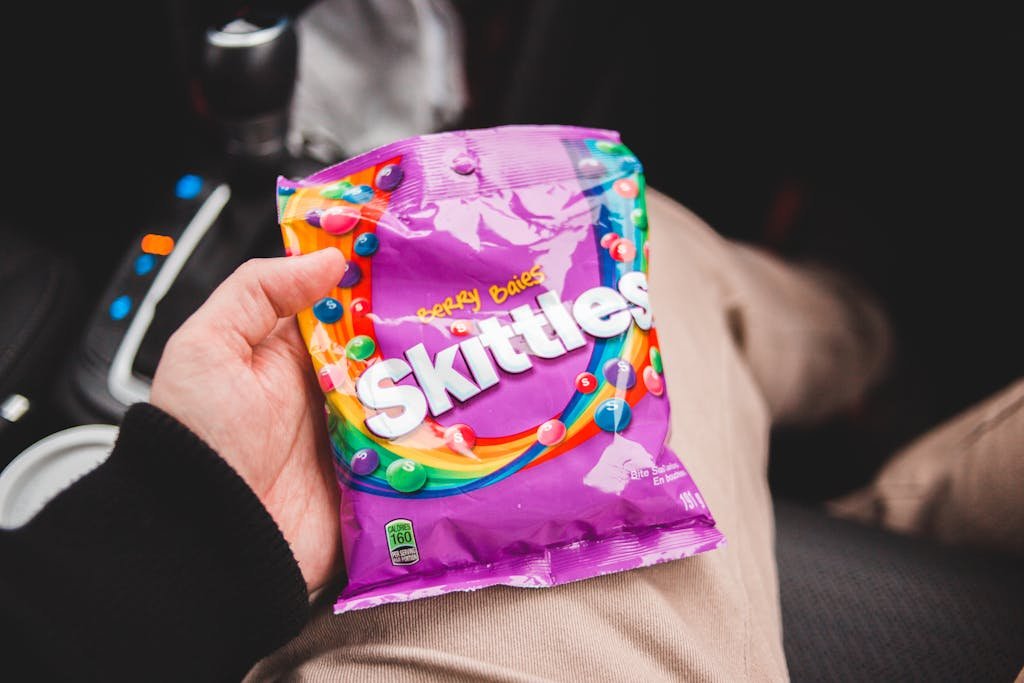
    The main ingredients in Skittles are actually pretty straightforward, but it’s how they come together that’s mind-blowing. First up, you’ve got your Sugar and Corn Syrup – these aren’t just sweeteners, they’re the backbone of the whole candy. Trust me, I learned this the hard way when I tried substituting honey in my homemade version (spoiler alert: don’t do that!).

    Here’s something cool I discovered: the Hydrogenated Palm Kernel Oil is what gives Skittles that amazing melt-in-your-mouth texture. It’s like the secret sauce of the candy world! The oil helps stabilize the mixture and creates that perfect chewy consistency we all know and love. I used to think it was gelatin that made them chewy, but nope – I was way off base there.

    The Modified Corn Starch in Skittles is another crucial player. It’s basically the glue that holds everything together. Without it, you’d have a sticky mess on your hands – literally! I remember this one time in my classroom when we did a candy science experiment, and the students were amazed to learn how this ingredient works. It’s like the architectural framework of each little Skittle.

    Speaking of texture, let me share a pro tip I picked up: if your Skittles feel a bit too hard, try leaving the package slightly open for about an hour. The moisture in the air will make them a tad softer. Just don’t leave them out too long, or you’ll end up with a solid brick of candy (yep, learned that one from experience too!).

    The manufacturing process is pretty incredible when you think about it. These ingredients get mixed together at specific temperatures and pressures to create that perfect consistency. It’s kind of like baking, but way more precise and scientific. I once had the chance to watch some candy-making videos, and let me tell you, it’s like a choreographed dance of ingredients!

    One thing that really gets me excited is how these basic ingredients transform into something so uniquely Skittles. The base mixture starts out looking like nothing special – just a bland, whitish mass. But through some seriously cool food science (and a bunch of other ingredients we’ll talk about later), it becomes those colorful, flavorful little pieces of joy.

    Colorings and Dyes in Skittles
    red 40
    Skittles ingredients

    Okay, let’s talk about what makes Skittles look like tiny edible rainbows! I’ve gotta tell you, this is probably my favorite part to teach about in my food science lessons. It’s wild how much chemistry goes into making these candies so vibrant and appealing.

    When I first started researching food dyes, I was pretty shocked by how specific each color formulation is. Each Skittle color comes from different combinations of artificial food dyes. The red ones? They use Red 40. The yellow ones get their sunny disposition from Yellow 5 and Yellow 6. Sometimes I like to challenge my students to try and guess which dyes are used in each color – they’re usually surprised by the answers!

    I remember this one time when I was showing my class how food coloring works. We did this experiment with different dyes, and wouldn’t you know it, I accidentally stained my favorite white lab coat with what looked like a rainbow explosion. But hey, at least it made for a great teaching moment about the power of these food dyes!

    Here’s something interesting: Skittles actually uses different coloring agents in different parts of the world. In Europe, they’ve moved away from artificial colors and use more natural alternatives. Why? Well, some studies have raised concerns about artificial food dyes, which led to stricter regulations in certain countries. When I learned this, it totally blew my mind – same candy, different ingredients!

    The safety of food dyes is a topic that comes up a lot in my classroom. While the FDA has approved all the dyes used in U.S. Skittles, it’s important to know that some people might be sensitive to them. I had a friend once who could always tell when she’d eaten anything with Red 40 because it made her feel a bit off. That’s why it’s super important to read those ingredient labels!

    Let me share a cool tidbit about the coloring process: the dyes aren’t just mixed in willy-nilly. Each batch has to be carefully measured and tested to ensure consistency. Have you ever noticed how a red Skittle from one package looks identical to a red Skittle from another? That’s not by accident! The quality control for color matching is incredibly precise.

    One thing that really fascinates me is how these dyes interact with the other ingredients. The colors have to be stable enough to withstand the manufacturing process, not bleed or fade over time, and still look appetizing. It’s like a chemistry experiment in every piece! I once tried to recreate this at home with natural food coloring, and let’s just say… it didn’t quite work out the same way.

    Flavoring Components

    Let’s dive into my favorite part about Skittles – those amazing flavors! Y’know, I’ve always been fascinated by how they pack so much fruity punch into such tiny candies.

    The flavoring in Skittles is actually pretty complex – it’s not just a simple fruit extract like I used to think. Each piece contains both natural and artificial flavors, working together to create that signature taste we all know and love. I remember this one time when I tried to recreate the strawberry flavor in my kitchen… let’s just say it didn’t go as planned!

    Here’s something that’ll blow your mind: citric acid is one of the key players in making Skittles taste so good. It’s that tangy kick that makes your taste buds do a little dance! I learned this the hard way during a classroom experiment when I left it out of a candy recipe – the results were super bland. The citric acid doesn’t just add tartness; it actually enhances all the other flavors too.

    Speaking of flavors, did you know that the taste of a Skittle isn’t just what you think it is? Take the grape flavor, for instance. It’s actually a combination of different flavor compounds that work together to create what our brains recognize as “grape.” Pretty neat, right? I love watching my students’ faces when they learn that what they think is a single flavor is actually a carefully crafted blend.

    One thing that really gets me pumped is how the flavors are engineered to be released in stages. First, you get that initial burst when the shell dissolves, then there’s the main flavor as you chew. I discovered this accidentally during a lesson about taste perception – we timed how long different flavors lasted, and the results were super interesting!

    Fun fact that I share with my classes: the flavor combinations aren’t random at all. They’re carefully selected to complement each other. Ever notice how when you eat a handful of Skittles at once, the flavors don’t clash? That’s totally by design! Though I gotta admit, I still sort mine by color and eat them individually (old habits die hard, am I right?).

    Understanding Skittles’ Shell Coating
    A vibrant close-up of colorful Skittles reflecting on a glossy surface.
    Skittles ingredients

    Okay, let me tell you about something that completely changed how I look at Skittles – their amazing shell coating! You’d think it’s just a simple sugar coating, but there’s so much more going on there. Trust me, I’ve spent way too much time geeking out about this in my classroom.

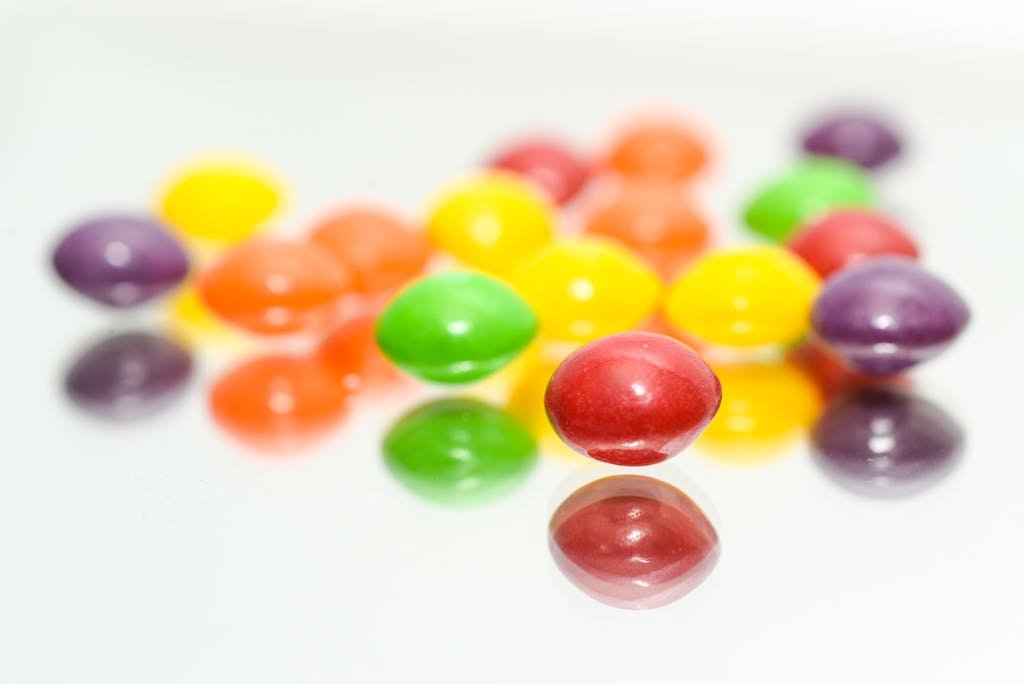
    The shell of a Skittle is actually made up of several different ingredients, but the main players are Titanium Dioxide and Carnauba Wax. I remember when I first learned about titanium dioxide – I was like, “Wait, isn’t that in sunscreen?” Yep, but it’s also what gives Skittles their lovely matte finish! It’s totally safe for food use, by the way.

    Let me tell you about this time I tried to explain the shell-making process to my students. We used jawbreakers as an example since they’re made similarly, just with many more layers. The way these shells are formed is like a tiny candy construction project! The centers tumble around in these huge rotating drums while the coating is gradually built up, layer by layer.

    The carnauba wax in the shell is super interesting – it’s the same stuff used in car wax! But don’t worry, it’s food-grade and completely safe. Its job is to make the shell nice and shiny, plus it helps prevent the colors from bleeding. I learned this while researching for a science fair project with my students, and it blew all our minds!

    Here’s a cool bit of candy science: the shell isn’t just for looks. It actually serves several important purposes. First, it keeps the chewy center fresh. Second, it prevents the pieces from sticking together. And third, it helps distribute the flavors properly. I found this out the hard way when I tried making shell-less candy – what a sticky mess that turned out to be!

    The manufacturing process for the shell is pretty precise. One tiny mistake in the temperature or humidity can mess up the whole batch. I once had a student bring in some Skittles that had been left in a hot car – the shells were all cracked and weird-looking. It made for a perfect teachable moment about quality control in candy manufacturing!

    Nutritional Information and Dietary Considerations

    Alright, let’s get real about the nutritional side of Skittles. As much as I love teaching about candy science, I always make sure my students understand the health aspects too. After all, these colorful little treats are still candy, and knowing what you’re eating is super important!

    I remember when one of my students asked me if Skittles were “healthy” because they had fruit flavors. Oh boy, did that lead to an interesting discussion! While they’re definitely tasty, a standard serving (about 1 ounce or 28 pieces) contains around 140 calories and 28 grams of sugar. I like to show my classes what that looks like using sugar cubes – their eyes always get super wide!

    Here’s something that might surprise you: Skittles are actually vegan! Well, at least in most countries. I used to think they contained gelatin (like many gummy candies do), but I was totally wrong. This makes them a popular choice for folks following plant-based diets. Though I always tell my students that “vegan” doesn’t automatically mean “healthy” – it’s important to understand the difference!

    When it comes to allergies, Skittles are relatively friendly compared to many other candies. They don’t contain nuts, peanuts, eggs, or milk. However – and this is something I always emphasize – they are manufactured in facilities that might process these allergens. I learned the importance of this distinction when planning class parties for students with food allergies.

    The halal and kosher certification of Skittles is another interesting topic. Different varieties might have different certifications depending on where they’re manufactured. I once had a student do a whole presentation on this for our cultural awareness week – it was fascinating to learn about how candy manufacturing adapts to different dietary requirements!

    Let me share a practical tip I’ve picked up over the years: if you’re watching your sugar intake but still want to enjoy Skittles, try portioning them out into smaller servings ahead of time. I started doing this during our classroom parties, and it really helps with portion control. Plus, it’s a great way to teach kids about mindful eating!

    Conclusion

    While Skittles may be a simple pleasure, the skittles ingredients list reveals the complex science behind these beloved candies. Understanding what goes into these colorful treats helps us make informed choices about our snacking habits. Next time you “taste the rainbow,” you’ll know exactly what makes up each bite!

    Curious about other colorful ingredients? Check out our gatorade ingredients post.
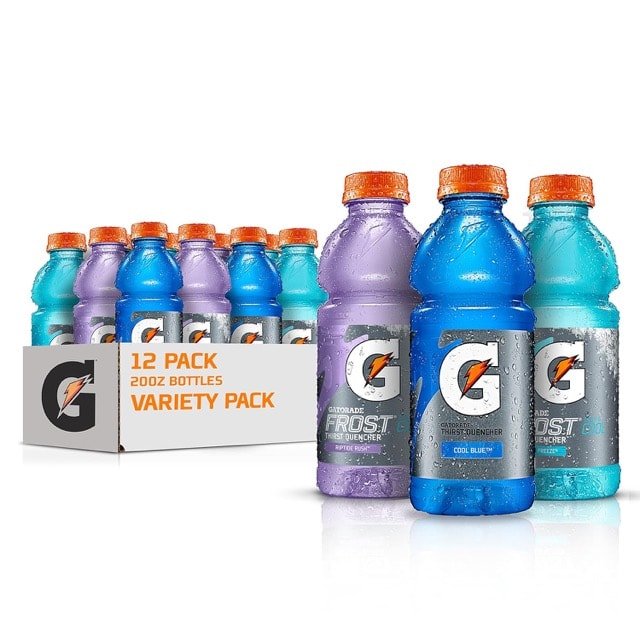
  • Understanding Gatorade Ingredients: What’s Inside the Sports Drink?

    Understanding Gatorade Ingredients: What’s Inside the Sports Drink?

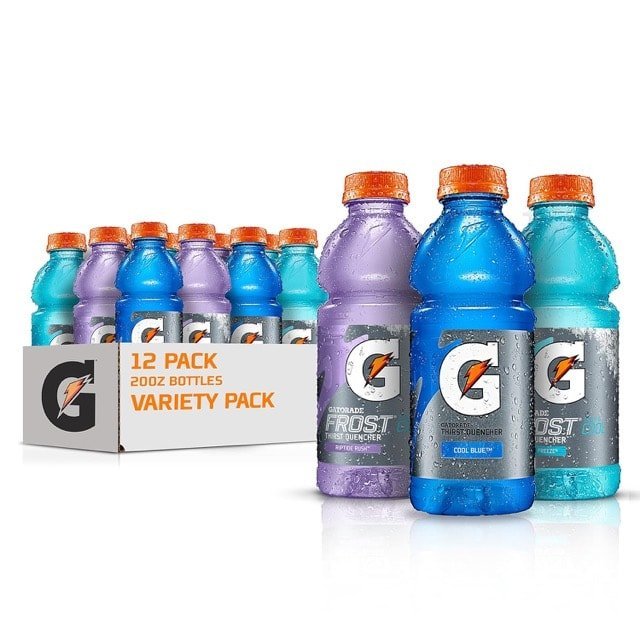
    We need to know the ingredients we are putting into our bodies. Gatorade is the most popular sports drink in the world. This post is about understanding the Gatorade ingredients your body consumes. Check our citations, these are doctor-led studies and research.

    Gatorade

    Main Ingredients and Nutrition

    Gatorade Ingredient- Sugar

    Gatorade is a popular sports drink designed to replenish fluids and electrolytes lost during physical activity. Here’s a comprehensive list of ingredients typically found in Gatorade Thirst Quencher:

    • 1. Water: The primary ingredient, providing hydration.

    • 2. Sugar: A source of quick energy for athletes.

    • 3. Dextrose: Another form of added sugar, also provides fuel.

    • 4. Citric Acid: Added for flavoring and as a preservative.

    • 5. Natural Flavor: Enhances taste without artificial additives.

    • 6. Salt (Sodium Chloride): Replenishes electrolytes lost through sweat.

    • 7. Sodium Citrate: Helps regulate acidity and enhances flavor.

    • 8. Monopotassium Phosphate: A source of potassium and phosphate electrolytes.

    Additional Ingredients

    Gatorade Ingredients- Gum Arabic

    9. Gum Arabic: Used as a stabilizer and emulsifier.

    10. Sucrose Acetate Isobutyrate: A replacement for brominated vegetable oil, acting as a stabilizer.

    11. Glycerol Ester of Rosin: Another stabilizer to help maintain the drink’s consistency.

    Coloring Agents

    Depending on the flavor, Gatorade may contain various food colorings. For example:

    Yellow 6 Food Coloring

    Gatorade Ingredient- Yellow 6 Food coloring

    Based on the search results provided, here’s a summary of the research on artificial Yellow 6 coloring:

    Health Concerns

    Several studies have raised potential health concerns associated with Yellow 6:

    • 1. Cancer risk: Yellow 6 has been found to contain benzidine, a known carcinogen[3]. Industry-sponsored animal tests indicated that Yellow 6 causes tumors of the adrenal gland and kidney[1].

    • 2. Allergic reactions: Yellow 6 may cause occasional, but sometimes severe, hypersensitivity reactions[1][3].

    • 3. Organ toxicity: In large amounts, Yellow 6 has the potential for organ toxicity, respiratory tract irritation, skin irritation, and eye irritation or damage[3].

    • 4. Endocrine disruption: Yellow 6 is classified as a xenoestrogen, an estrogen-mimicking compound and endocrine-disrupting chemical. The European Food Safety Authority suggests that it can potentially negatively affect testicular health in men[3].

    • 5. Neurotoxicity: Studies have found that Yellow 6 and other food dyes may contain neurotoxic chemicals potentially linked to attention deficit, mental health problems, and behavioral issues in children[3].

    6. Developmental and reproductive toxicity: Animal studies suggest that Yellow 6 might increase the risk of testicular and adrenal tumors in rats[3].

    Regulatory Status and Safety Limits

    Despite these concerns, Yellow 6 is approved for use in many countries:

    • 1. FDA approval: The U.S. Food and Drug Administration (FDA) has approved Yellow 6 for use in foods, drugs, and cosmetics[3].

    • 2. European approval: The European Food Safety Authority (EFSA) has also approved Yellow 6 [3].

    • 3. Acceptable Daily Intake (ADI): While not explicitly stated in the search results, regulatory bodies typically establish ADIs for approved food additives.

    Other Considerations

    • 1. Prevalence: Yellow 6 is the third-most widely used food dye in the United States[1].

    • 2. Contamination: Yellow 6 may be contaminated with small amounts of several carcinogens, such as 4-aminobiphenyl and benzidine[1].

    • 3. FDA review: The FDA reviewed the data on Yellow 6 and concluded that it does not pose a significant cancer risk to humans[1].

    • 4. Detection methods: Various scientific techniques, including spectrophotometric methods, UV-Vis spectrometry, and mass spectrometry, can detect and quantify Yellow 6 in foods [3].

    Ongoing Research and Recommendations

    While Yellow 6 is currently approved for use, ongoing research continues to investigate its potential health effects. Some health professionals and organizations recommend limiting or avoiding synthetic food dyes, including Yellow 6, due to these potential concerns:

    • 1. The Center for Science in the Public Interest reports that Yellow 6 adds unnecessary risk to the food supply due to its cancer-causing contaminants[3].

    • 2. Some researchers, based on animal studies, voice concerns about potentially adverse neurodevelopmental and behavioral effects of food dyes in children [3].

    • 3. The Environmental Working Group classifies Yellow 6 as possibly toxic to reproduction and development, based on animal studies showing adverse effects at high doses[3].

    It’s important to note that while some studies have found associations between Yellow 6 and various health issues, more research is needed to establish definitive causal relationships. Consumers concerned about Yellow 6 can check food labels to identify and avoid products containing this dye.

    Citations:

    Blue 1 Food Coloring

    Blue 1 food coloring, gatorade

    A summary of the research on artificial Blue 1 coloring:

    Health Concerns

    Several studies have raised potential health concerns associated with Blue 1 (also known as Brilliant Blue FCF or FD&C Blue No. 1):

    • 1. Developmental effects: Some animal studies have observed developmental delays and behavioral difficulties associated with Blue 1 consumption[2]. Another study found potential developmental effects on the nervous system[2].

    • 2. Neurotoxicity: Research from 2010 suggested that Blue 1 may inhibit neurite growth and cause neurotoxicity, potentially altering the nervous system. This particularly concerns infants whose blood-brain barriers are not fully developed.

    • 3. Cancer risk: A study observed a correlation between Blue 1 and kidney tumors in mice, raising questions about its potential carcinogenic effects.

    • 4. Platelet aggregation: High Blue 1 (1 mM) concentrations affected platelet aggregation by blocking Panx1 channels[3]. However, this effect was not observed at lower concentrations (100 μM)[3].

    Regulatory Status and Safety Limits

    Despite these concerns, Blue 1 is approved for use in many countries:

    • 1. FDA approval: Blue 1 is one of the oldest FDA-approved color additives and is generally considered nontoxic and safe[3].

    • 2. EU regulations: The European Union has set legal limits for Blue 1 (E133) at 150–300 mg/kg, depending on the type of food[3].

    • 3. Acceptable daily intake: The safety limit for foods and drugs is 0.1 mg/day per kg body weight, with an acceptable daily intake of 6 mg/kg[3].

    Other Considerations

    1. Asthma: A 1979 clinical trial found that Blue 1 did not affect pulmonary function in 42 out of 43 patients with perennial asthma, suggesting it is unlikely to cause allergic reactions in individuals with pre-existing moderate asthma[3].

    2. Enteral feeding: In 2003, the FDA issued a public health advisory warning healthcare providers about the potential toxicity of Blue 1 in enteral feeding solutions[3].

    3. Prevalence: Blue 1 is one of the more common blue dyes in the United States, found in various products, including foods, medications, and cosmetics[3].

    While Blue 1 is currently approved for use in many countries, ongoing research continues to investigate its potential health effects. Due to these potential concerns, some health professionals and organizations recommend limiting or avoiding synthetic food dyes, including Blue 1 [1][2].

    Citations for Research on Blue 1:

    Red 40 Food Coloring:

    Gatorade Ingredient Red 40

    Based on the search results provided, here’s a summary of the research on artificial Red 40 coloring:

    Health Concerns

    Several studies have raised potential health concerns associated with Red 40:

    • 1. Hyperactivity and ADHD: Some research suggests a link between Red 40 and increased hyperactivity, particularly in children with ADHD[1][2]. However, the evidence is mixed and inconclusive[4].

    • 2. DNA damage: A 2023 study found that Red 40 can cause DNA damage both in vitro and in vivo[3].

    • 3. Colonic inflammation: The same study showed that consuming Red 40 with a high-fat diet led to dysbiosis and low-grade colonic inflammation in mice[3].

    • 4. Inflammatory Bowel Disease (IBD): Recent research indicates that Red 40 may trigger or exacerbate experimental colitis in animal models[3][5].

    • 5. Allergic reactions: Some individuals may experience allergic reactions to Red 40, though these tend to be rare and mild[7].

    Regulatory Status and Safety Limits

    Despite these concerns, Red 40 is approved for use in many countries:

    • 1. FDA approval: The FDA has approved Red 40 and considers it safe within established limits[7].

    • 2. Acceptable Daily Intake (ADI): The ADI for Red 40 is 7 mg/kg of body weight per day[7].

    • 3. Consumption levels: Studies show that average daily intake in the US is well below the ADI, ranging from 0.1 to 0.5 mg/kg of body weight[7].

    Other Considerations

    1. Long-term effects: There is growing concern about the long-term health implications of regular consumption of Red 40, as initial safety assessments focused primarily on acute toxicity[6].

    2. Environmental impact: The production and disposal of synthetic food dyes like Red 40 may have environmental consequences[4].

    3. Prevalence: Red 40 is one of the most commonly used food dyes in the United States, found in various products including foods, medications, and cosmetics[6][7].

    Ongoing Research

    While Red 40 is currently approved for use in many countries, ongoing research continues to investigate its potential health effects. Due to these potential concerns, some health professionals and organizations recommend limiting or avoiding synthetic food dyes, including Red 40 [2][6].

    It’s important to note that while some studies have found associations between Red 40 and various health issues, more research is needed to establish definitive causal relationships. Individuals concerned about Red 40 can check food labels to identify and avoid products containing this dye[4][7].

    Citations for Research on Red 40:

    It’s worth noting that the exact ingredient list may vary slightly depending on Gatorade’s specific flavor and product line. The original Gatorade Thirst Quencher is based on water, salt, and sugar, with added flavoring and coloring. Some variations, such as the G2 line, may include different sweeteners like PureVia (stevia extract) to reduce calorie content.

    Gatorade no longer uses high fructose corn syrup or brominated vegetable oil in its formulations, replacing these ingredients with sucrose-dextrose combinations and sucrose acetate isobutyrate.

    Comparison with Other Sports Drinks

    When it comes to sports drinks there are many options out there. Here’s a comparison of Gatorade with other popular sports drinks:

    Gatorade Thirst Quencher is known for quick rehydration due to its balanced mix of carbs and electrolytes like sodium and potassium. But it has a lot of added sugar, 34g per 20oz bottle which is more than some of its competitors. For example Powerade another popular sports drink has 21g of sugar per 20oz serving so it’s a slightly lower sugar option.

    In terms of electrolytes Gatorade and Powerade are similar but Gatorade has more flavors like fruit punch and cool blue which can be more appealing to some consumers. Gatorade uses modified food starch and artificial flavors to enhance taste and texture while some other brands use different additives.

    Another competitor BodyArmor markets itself as a more natural option. It uses coconut water as a base and has no artificial flavors or colors. It also has more potassium which can help with muscle function and recovery.

    In the end it’s all about personal preference and your nutritional needs. Gatorade is good for quick rehydration and flavor options but be aware of the high sugar and artificial ingredients. Always check the nutrition facts and ingredient labels to make an informed decision that fits your health goals.

    Health Concerns and Criticisms

    • High sugar intake: linked to various health problems, including obesity and tooth decay

    • Artificial ingredients: some critics argue that artificial flavors and preservatives can be harmful to health

    • Lack of essential nutrients: Gatorade has been criticized for not providing enough essential nutrients, such as vitamin C

    Conclusion

    • Gatorade is a popular sports drink designed for rapid rehydration

    • Contains a mix of carbohydrates, electrolytes, and additives

    • High sugar content and artificial ingredients have raised health concerns

    • Important to check nutrition facts and labeling to make informed choices.

    Learn more about being healthy at FittBeat.com.